 DEEP GROOVE BALL BEARING
 NEEDLE ROLLER BEARING
 ROLLER BEARING
 HOUSED BEARING
 ROD END
 LINEAR TRANSMISSION
 OTHER BEARINGS
 GEARBOX BEARING
 AGRICULTURAL BEARINGS
 WHEEL BEARING
 SINGLE ROW
 DOUBLE ROW
 CERAMIC BEARING
 THRUST BALL BEARING
 SELF ALIGNING BALL BEARING
 CASTOR BEARING
 HIGH TEMPERATURE
 CAM FOLLOWER
 TRACK ROLLER
 MAST GUIDE BEARING
 BALL BEARING RETAINER
 DRAWN CUP ROLLER BEARING
 NEEDLE ROLLER BEARING
 AXIAL NEEDLE ROLLER
 INNER RING
 NEEDLE ROLLER CAGE
 DRAWN CUP ROLLER CLUTCHES
 TAPERED ROLLER BEARING
 ROLLER BEARING
 YOKE TYPE TRACK ROLLER
 SPHERICAL ROLLER BEARING
 THRUST ROLLER BEARING
 ROLLER BEARING CAGE
 RAW CONE
 RAW CUP
 HOUSED BEARING 0 BOLT
 HOUSED BEARING 1 BOLT
 HOUSED BEARING 2 BOLTS
 HOUSED BEARING 3 BOLTS
 HOUSED BEARING 4 BOLTS
 HOUSED BEARING ACCESSORIES
 TSM ROD END
 TSF ROD END
 GE ROD END
 DIN ROD END
 GEG ROD END
 SQ ROD END
 SA ROD END
 SSR ROD END
 SI ROD END
 GEEW ROD END
 SQZ ROD END
 TPN ROD END
 TAC ROD END
 SQL ROD END
 GEK ROD END
 PHS ROD END
 GEZ ROD END
 GEEM ROD END
 TAPR ROD END
 GAC ROD END
 GX ROD END
 OTHER ROD ENDS
LINEAR TRANSMISSION
 LINEAR BEARING
SEALS
 SEAL
SEAL
 SEALING ACCESSORIES
 O-RING SEAL
 ROTARY SHAFT SEAL
 HYDRAULIC SEAL
 V-RING SEAL
 X-RING SEAL
 SEALING WASHER
 WIPER SEAL
 ROPE SEAL
 VK EC END COVER
 NILOS SEALS
 OTHER SEALS
 PISTON SEAL
 PNEUMATIC SEAL
 SEAL ASSORTMENT
 AUTOMOTIVE SEAL
 PTFE SEAL
SEALING ACCESSORIES
 BACK-UP RING
 SPEEDI-SLEEVE
 BELT
BELT
 ROLLER CHAIN
 SPROCKET
 TAPER BUSHING
 V-GROOVED PULLEY
 TIMING BELT PULLEY
 RACK & SPUR GEAR
 RIBBED BELT PULLEY
 V-BELT
 RAW EDGE COGGED V-BELT
 TOOTHED BELT
 POLY-V BELT
 HEXAGONAL BELT
 VARIATOR BELT
 BELT ACCESSORIES
ROLLER CHAIN
 SIMPLEX
 DUPLEX
 TRIPLEX
 CONNECTING LINK
 OFFSET LINK
 SIMPLEX SPROCKET
 DUPLEX SPROCKET
 TRIPLEX SPROCKET
 IDLER SPROCKET
 V-GROOVED PULLEY SPA
 V-GROOVED PULLEY SPB
 V-GROOVED PULLEY SPC
 V-GROOVED PULLEY SPZ
TIMING BELT PULLEY
 TIMING BELT PULLEY T2.5 2,5MM
 TIMING BELT PULLEY T5 5MM
 TIMING BELT PULLEY T10 10MM
 TIMING BELT PULLEY AT5 5MM
 TIMING BELT PULLEY AT10 10MM
 TIMING BELT PULLEY 3M 3MM
 TIMING BELT PULLEY 5M 5MM
 TIMING BELT PULLEY 8M 8MM
 TIMING BELT PULLEY 14M 14MM
 TIMING BELT PULLEY L 9,52MM
 TIMING BELT PULLEY XL 5,08MM
 TIMING BELT PULLEY H 12,7MM
 SPUR GEAR
 GEAR RACK
RIBBED BELT PULLEY
 RIBBED BELT PULLEY PL
 RIBBED BELT PULLEY PJ
 LUBRICANT
 ADHESIVE
 PENETRANT
 LUBRICANT
 GREASE
 DEGREASER
 CLEANER
 THREADLOCKER
 GLUE
GLUE
 ADHESIVE
 GASKET SEALER
 GASKET SEALING
ACCESSORIES AND TOOLS
 CYLINDRICAL BUSHES
 RETAINING RING
 BALLS AND NEEDLES
 WASHER
 TOOLS
TOOLS
 ANTI VIBRATION
 LOCK NUT
 ADAPTER SLEEVE
CYLINDRICAL BUSHES
 PAP BUSHES
 FLANGED BUSH PAF
 BRONZE BUSHES WITH COLLAR
 BRONZE BUSHES
RETAINING RING
 EXTERNAL RETAINING RING
 INTERNAL RETAINING RING
 E-CLIP
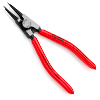 CIRCLIP PLIERS
BALLS AND NEEDLES
 NEEDLE
 BALLS
BALLS
 BALL BEARING RETAINER
WASHER
 THRUST WASHER
 LOCK WASHER
 WAVE SPRING WASHER
 COMPRESSION WAVE SPRING WASHER
 MULTIWAVE COMPRESSION SPRINGS
 OVERLAP WAVE SPRING WASHER
 CURVED SPRING WASHER
 SPRING DISC DIN2093
 FINGER SPRING WASHER
 SPLIT WAVE SPRING WASHER
 WAVE SPRING ROUND WIRE
 CIRCLIP PLIERS
 DIMENSIONAL MEASUREMENT
 MOUNTING - DISMOUNTING
 GREASE - LUBRICATION
 ALIGNMENT - INSPECTION
 MM ANTI-VIBRATION
 MF ANTI-VIBRATION
 PM ANTI-VIBRATION
 FF ANTI-VIBRATION
 PF ANTI-VIBRATION
 ANTI-VIBRATION MACHINE BASE
 PMP ANTI-VIBRATION
 ANTI VIBRATION DIABOLOS
 PFP ANTI-VIBRATION


